Dairy Cow Isopods Develop Strong Colony Growth Inside Well Maintained Enclosure Setups

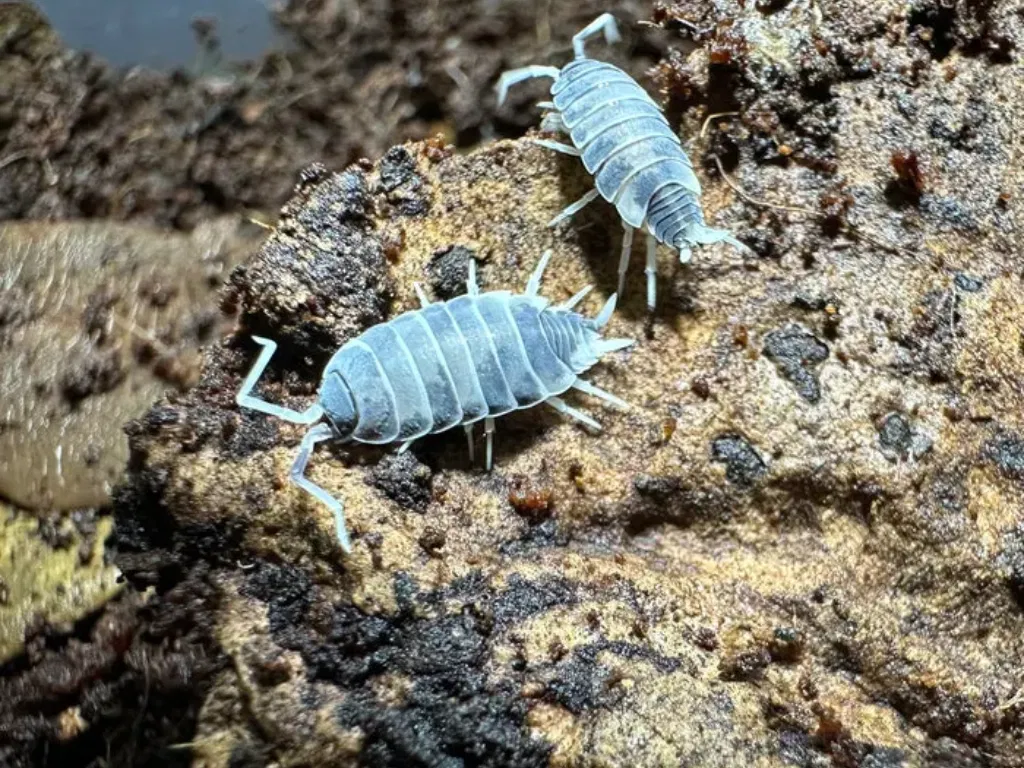
Carefully arranged habitats help new groups settle with steady progression. Each surface guides movement while allowing clusters to gather comfortably near supportive spaces. Careful enclosure planning feels more cohesive once keepers introduce Postpods to support a balanced developmental pace. Small structural adjustments gradually enhance the way early populations organize themselves.
Stable Conditions Encourage Early Development
Early development feels clearer when surfaces remain predictable and gently textured. Groups form calmer routines when airflow stays consistent and moisture levels shift slowly. These steady cues encourage reliable growth patterns without creating unnecessary strain on emerging clusters.
Moisture Balance Shapes Colony Behavior
A thoughtful moisture balance nurtures controlled behavior across scattered sections of the enclosure. Subtle movement changes appear quickly once humidity reaches a comfortable midpoint.
- Even moisture helps calmer clustering
- Light texture supports smoother navigation
- Soft pockets encourage deeper settling
- Damp corners assist periodic hiding
- Gentle droplets support occasional retreat
- Balanced mist promotes broader distribution
Slight adjustments maintain dependable activity as groups distribute across familiar spaces. Every shift must remain gradual because sudden transitions can interrupt their collective rhythm.
Why Do Growth Patterns Shift?
Growth patterns shift when temperature cues collide with changing surfaces, creating new movement tendencies.Some clusters react strongly to vertical elements, while others respond to ground-level textures that feel more secure during early stages.
Shelter Zones Support Steady Expansion
Different layers of shelter help scattered groups coordinate low-stress routines. Short resting intervals appear naturally when shaded areas feel stable and predictable.
Steady habitat flow improves as Dairy cow woodlice navigate protected shelter pockets arranged with thoughtful spacing.These pockets encourage smooth transitions between roaming and hiding without interrupting overall colony momentum.
How Can Keepers Improve Stability?
Keepers improve stability by watching minor cues that shape routine shifts. Many adjustments come from noticing subtle changes in movement, especially when groups test unfamiliar corners.A calm approach encourages smoother adaptation because each structural decision influences spacing preferences across the enclosure.
Feeding Cycles Influence Structural Progress
Feeding plans serve as gentle anchors that guide various sections of the colony toward consistent pacing. Some offerings motivate wider exploration, while others help maintain localized gathering in quieter regions. Routine placement rarely stays static, allowing flexible movement without disrupting their chosen paths.
Gradual Maturity Within Controlled Spaces
Maturity forms through gentle layering rather than sudden changes, allowing each group to settle with stable confidence. Space division evolves steadily as surfaces blend into a single coherent environment. Once these elements align, structural flow improves naturally without forcing abrupt adjustments.