
At a glance
- Without liners, truck bodies face rapid wear and structural fatigue.
- Material buildup and sticking increase unloading time and safety risks.
- Corrosion, contamination, and costly repairs shorten vehicle lifespan.
Haul trucks work in some of the harshest environments imaginable, from quarry roads and mining pits to agricultural and construction sites. Every load of rock, ore, or soil subjects the truck body to relentless impact, abrasion, and material buildup.
While some operators delay installing a truck body liner to cut upfront costs, operating without one almost always leads to accelerated wear, higher maintenance costs, and avoidable downtime.
This article explores what happens when a truck operates without a liner and why it affects safety, efficiency, and long-term operating costs.
Accelerated Wear and Structural Damage
Abrasive materials constantly bombard the inner surface of a truck body. Aggregates, sand, or crushed rock scrape across bare steel, stripping protective coatings and thinning the base metal. Over time, repeated impact of heavy and abrasive loads causes surface fatigue and micro-fracturing, especially around weld seams and corners.
Without a protective liner, the truck body wears unevenly. Dents and grooves form where the load hits hardest, weakening the structure and making it harder to release loads. Eventually, operators face costly repairs, body rebuilds, or complete replacement, all of which could have been avoided with effective wear protection, such as a UHMWPE truck liner.
Material Sticking and Reduced Unloading Efficiency
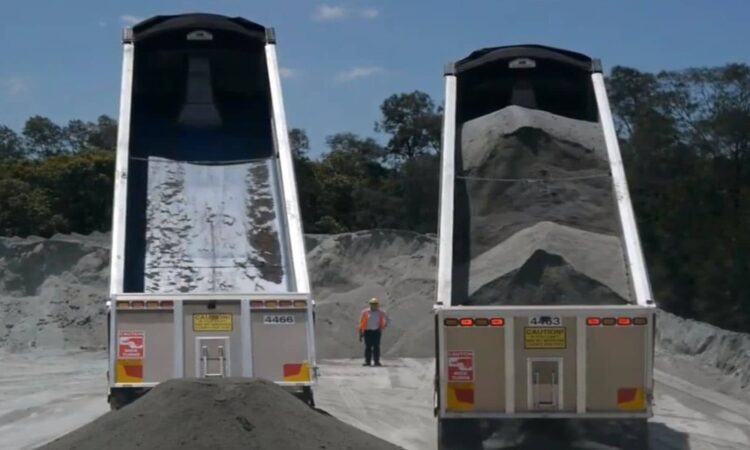
When a truck operates without a liner, the steel surface becomes rough and uneven, causing sticky materials like clay, fertiliser, or wet soil to cling instead of sliding off, especially in wet or humid conditions. Each load takes longer to release, forcing operators to raise the tip angle or repeat tipping cycles to clear the tray.
These extra movements waste fuel, increase hydraulic strain, and extend unloading times across every haul. Manual clearing adds further delays and interrupts workflow, especially in high-volume operations where consistent turnaround matters.
A smooth, low-friction surface of Ultra-High Molecular Weight Polyethylene (UHMWPE) liner prevents material buildup and allows loads to release cleanly. The result is faster unloading, reduced downtime, and improved operational efficiency across the fleet.
Corrosion, Contamination, and Chemical Damage
Moisture and chemical exposure are constant threats to haulage operators. When the truck bed is unlined, water, salt, or fertiliser residues react with steel surfaces, accelerating corrosion. In industries such as agriculture and waste transport, this corrosion can also lead to contamination, affecting material integrity and regulatory compliance.
Over time, corrosion pits the steel surface, trapping even more moisture and further degrading the truck body. Truck bed liners act as a barrier against these elements, protecting the body structure and reducing costly repairs or repainting cycles.
Higher Fuel Consumption and Maintenance Downtime
When trucks operate without liners, the rough steel surface creates more drag during unloading. The hydraulics must work harder to release each load, burning more fuel in every cycle. Over time, this added resistance increases fuel consumption during unloading and raises operating costs across the fleet.
At the same time, the constant friction and impact on bare steel accelerate structural wear. Operators are forced to schedule more frequent inspections, welding, and repainting to keep trucks serviceable. Each maintenance stop removes equipment from rotation, leading to unplanned downtime and reduced productivity.
Installing liners helps break this pattern by reducing friction, improving material flow, minimising wear, and allowing trucks to maintain consistent performance with lower fuel consumption and predictable maintenance schedules.
Safety and Productivity Impacts
Safety risks rise sharply when trucks operate without liners. Uneven loads or material buildup can shift the centre of gravity during tipping, increasing rollover risk, especially on uneven ground or at high tipping angles. When workers are required to clear stuck material manually, they face risks of slips, falls, and equipment contact injuries.
From a productivity standpoint, these safety interruptions reduce the number of loads moved per shift. A simple mechanical improvement, such as smoother load release, directly translates to safer and more consistent haul cycles. Over the life of a fleet, these time savings add up to substantial operational gains.
Running a haul truck without a liner may seem cost-effective initially, but the long-term impact tells a different story. Accelerated wear, corrosion, downtime, and fuel inefficiency all reduce a truck’s service life and profitability.
Installing premium-grade UHMWPE liners like OKUSLIDE® prevents surface damage, improves unloading efficiency, and keeps vehicles in service longer. In heavy industries like mining, quarrying, and bulk material transport, preventive protection is not just an optional upgrade; it’s essential for maintaining efficiency and safety.
Protecting truck bodies ensures safer, cleaner, and more efficient operations, turning what seems like a maintenance expense into a long-term investment in performance and reliability.